Check pharmacy licenses. Legitimate online pharmacies display their license number and state of registration prominently. Verify this information with your state’s board of pharmacy. Avoid sites lacking this transparency.
Examine website security. Look for “https” in the URL and a padlock icon in your browser’s address bar. These indicate secure connections protecting your personal data. Sites without this security are risky.
Scrutinize contact information. A legitimate pharmacy provides a physical address, phone number, and email address. Anonymous or vague contact details raise red flags.
Review customer reviews. Read independent reviews on sites like Trustpilot or other reputable review platforms. Be wary of overwhelmingly positive reviews–they may be fake.
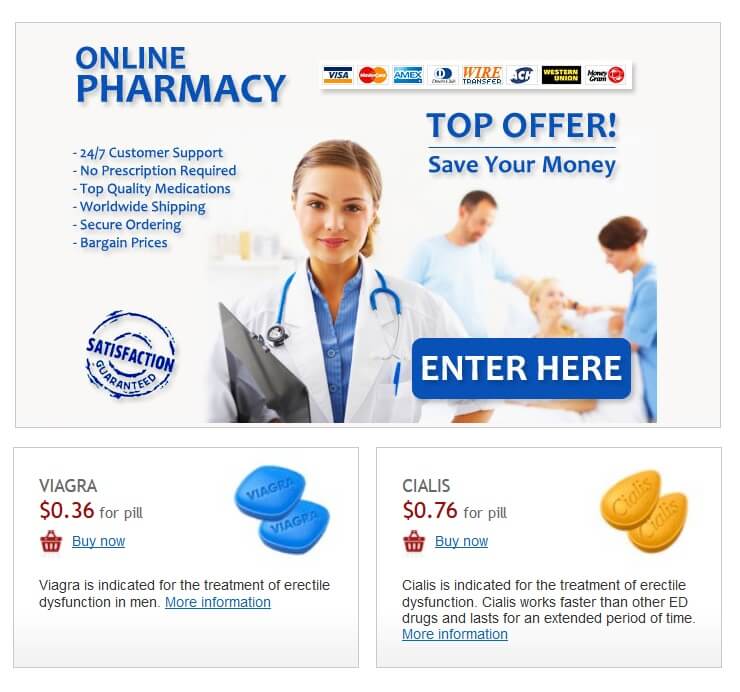
Beware of unbelievably low prices. Prices significantly lower than average often indicate counterfeit or substandard medications. Don’t risk your health for a bargain.
Confirm accreditation. Reputable online pharmacies often hold accreditation from organizations like the Verified Internet Pharmacy Practice Sites (VIPPS). Check for this verification.
Understand the return policy. Legitimate pharmacies usually have a clear return policy. Missing or vague return information indicates potential problems.
Use caution with unsolicited emails. Ignore emails offering discounted medications; these are frequently scams. Contact your doctor or a trusted pharmacy for legitimate options.
Remember: Your health is paramount. Prioritize safety over price when purchasing medications online. Consult your doctor before starting any new medication.
Disclaimer: This information is for educational purposes only and does not constitute medical advice. Always consult your physician or pharmacist for personalized guidance.